

Where Did All the Art Schools Go? Rebuilding Creative Education in Essex
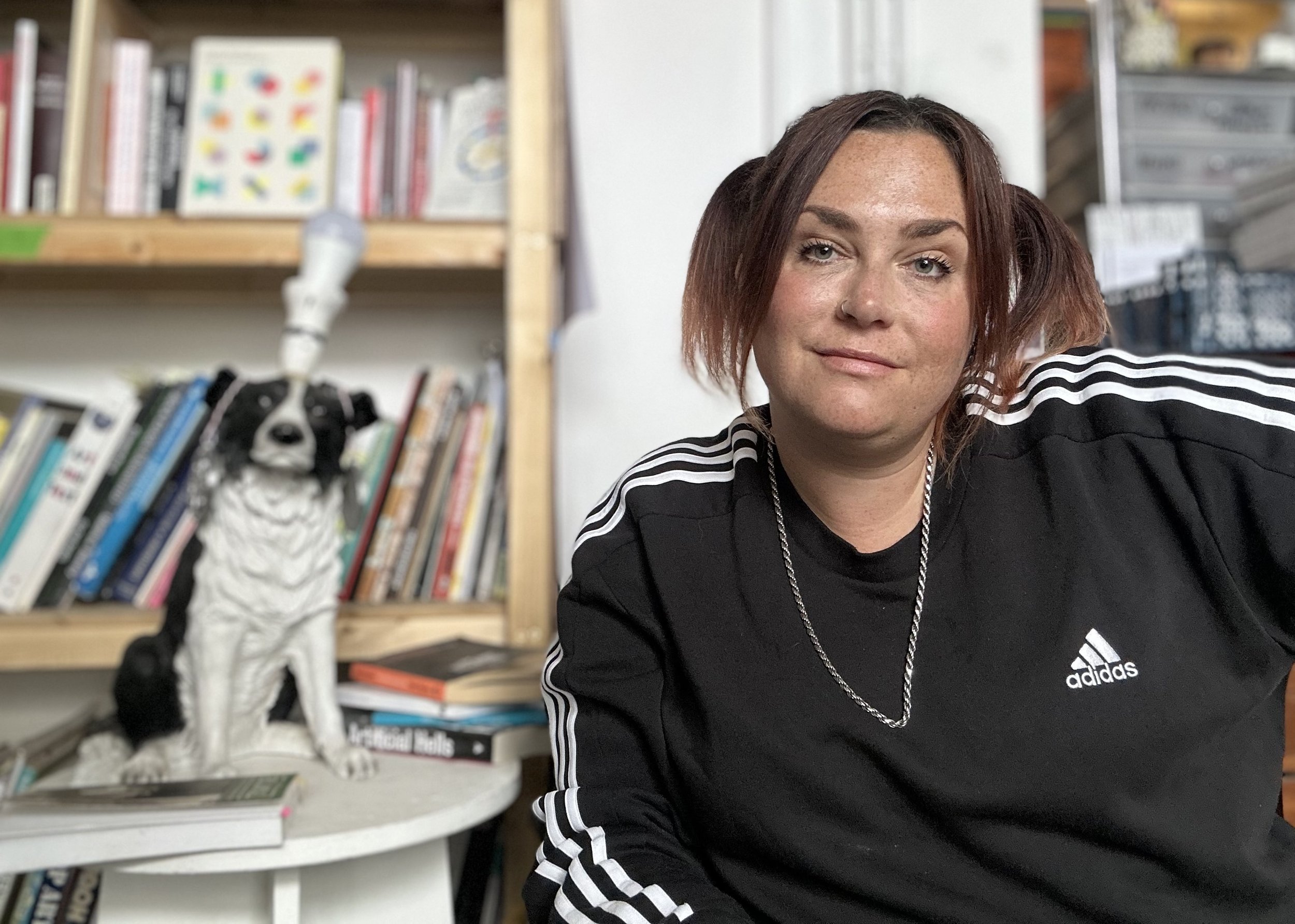
As part of the Counting Culture campaign, we’re bringing together voices from across Essex’s creative sector to explore what the future of culture looks like—and what it needs to thrive. In this post, Emma Edmondson of TOMA reflects on the rapid decline of art schools and creative learning spaces across the county, and the impact this is having on access, opportunity and artistic development. Drawing on her experience of running an artist-led alternative art school, Emma makes a powerful case for rethinking how we support creative education—placing trust in artists, investing in long-term spaces, and recognising the vital role that lifelong, community-led learning plays in shaping both individuals and places.
There used to be an art school in almost every town in England. This really shaped the cultural life (art, music, nightlife, writing, fashion) of the country, and counties like Essex, from the postwar years right through to the early 1990s.
But then things started getting harder - arts schools moved into universities, art education became about metrics and business rather than about nourishment, learning and helping shape people to be and do good in the world. The ‘value’ of studying art was questioned solely through an economic lens. Now, across the whole county, there’s only one MA-ish art course left, TOMA, which is wild as we’re an artist-run indie alternative art school. This isn’t just disappointing - it’s alarming. And as adult education colleges also begin to erode in Essex it’s becoming more apparent that we need art schools and creative learning spaces. But these shouldn’t just be focussed on young people, but intergenerational-ness, a whole society coming together to learn - lifelong and lifewide.
Studying art isn’t only about becoming an artist. Art education develops critical thinking, problem solving, collaboration and adaptability. These are the very skills constantly described as ‘future proof.’ Art schools teach people how to think, question, improvise and imagine differently. They shape citizens as much as careers.
At TOMA we work with our artists to learn how to survive and continue to make art under austerity. We do this through thinking about a diversification of art making, acknowledging something beyond the world of ‘art’ and valorising practices that do not tick the boxes in other contexts. This is what is really important in terms of the rude health of artistic survival - supporting artists to see themselves outside of the art school, in terms of artists in society, not just as bodies making artwork for the art market. If you think you’re going to art school to just make art, you’re wrong, it’s about how to live your life.
As traditional education systems continue to erode, in fact here in Southend we are seeing the whole Essex University campus’ being come into question, we need greater support for alternative, collective, grass-roots and self-organised forms of learning: doing it together, doing it anyway, doing it alone when necessary.
How can this be supported? Essex urgently needs more permanent, solid spaces, physical buildings, to hold this activity to survive and thrive. This doesn’t mean a 6 month lease on an empty shop framed as flexibility but in reality breeding precarity, it doesn’t mean some business rate relief here for a month or two, it means councils trusting artists and art organisations to do their work professionally, especially with a proven track record, by giving council buildings over to creative education organisations to take root, build strong foundations for the community and the organisations. This is how the art schools of the post war years came into being. And this isn’t a nostalgic, rose tinted look over the shoulder to those times as it was also hard then, but we are a skilled, professional bunch who know how to keep things going - despite and in spite of it all. Artists are skilled fundraisers, bookkeepers, promoters, fabricators, hosts, we know how to diversify a practice in a slippery Essex eel like way. We’re of Essex, we’re entrepreneurial, it’s in our DNA. If we’re given the proper, trusted space to put in roots we can raise capital funds, we can pull together resources to build, to create, to put Essex on the map again in terms of radical education and community building.
And finally, councils need to stop outsourcing cultural ‘place-making’ to disconnected consultants like We Made That or Hemmingway Design. Use the artist-researchers embedded in a space to help shape its future, we’re already invested in the space as we live here, we love it, we want it to succeed and can bring the research skills to boot, with many Essex artists holding doctorates and research positions in organisations. What would it mean if you used this artist workforce instead of consultants, putting that financial investment back into the local community to help shape it. Makes sense to me. Trust the artists!
If this resonates, now’s the moment to speak up.
Made in Essex is creating a Prospectus to put the creative sector’s priorities in front of Greater Essex’s new political leaders this July.
So — what needs to change?
How can we better support creative education, protect spaces for learning and making, and ensure artists have the resources and trust they need to build sustainable futures in Essex?
No idea is too big or too small.
Whether you have 1 idea or 10, tell us what you want to see happen.
There’s no right way to respond.
Send bullet points. Record a quick selfie video. Snap a photo of a scribbled note. Write a song. Write a poem. However you want to do it, add your voice here: madeinessex.org.uk/take-part
Counting Culture is open until 24 May.
Have your say. If you work in Greater Essex’s creative sector, this is your chance to help shape a future where culture is recognised and supported as a vital part of our commmunity.ourmadeinessex.org.uk/take-part
With thanks to Emma Edmondson of TOMA for sharing her insight.
