

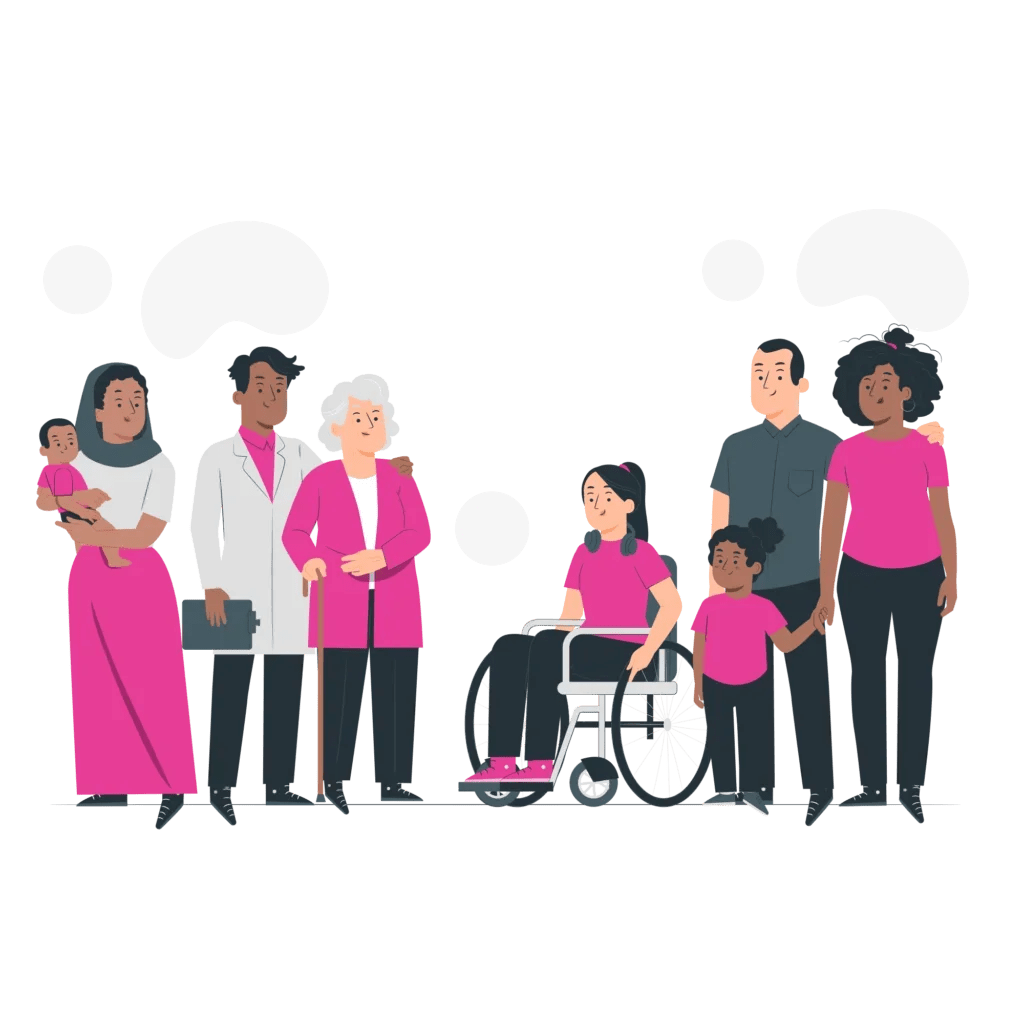
From Words to Action: What Trauma-Informed Care Really Mean
‘Trauma informed’ is a phrase that we see a lot of in relation to our health, care and wellbeing services; so much so that, for the greater part, the phrase has become invisible to many of us. For those actually living with the effects of trauma, however, those words mean so much more – hope, reassurance, belief and relief.
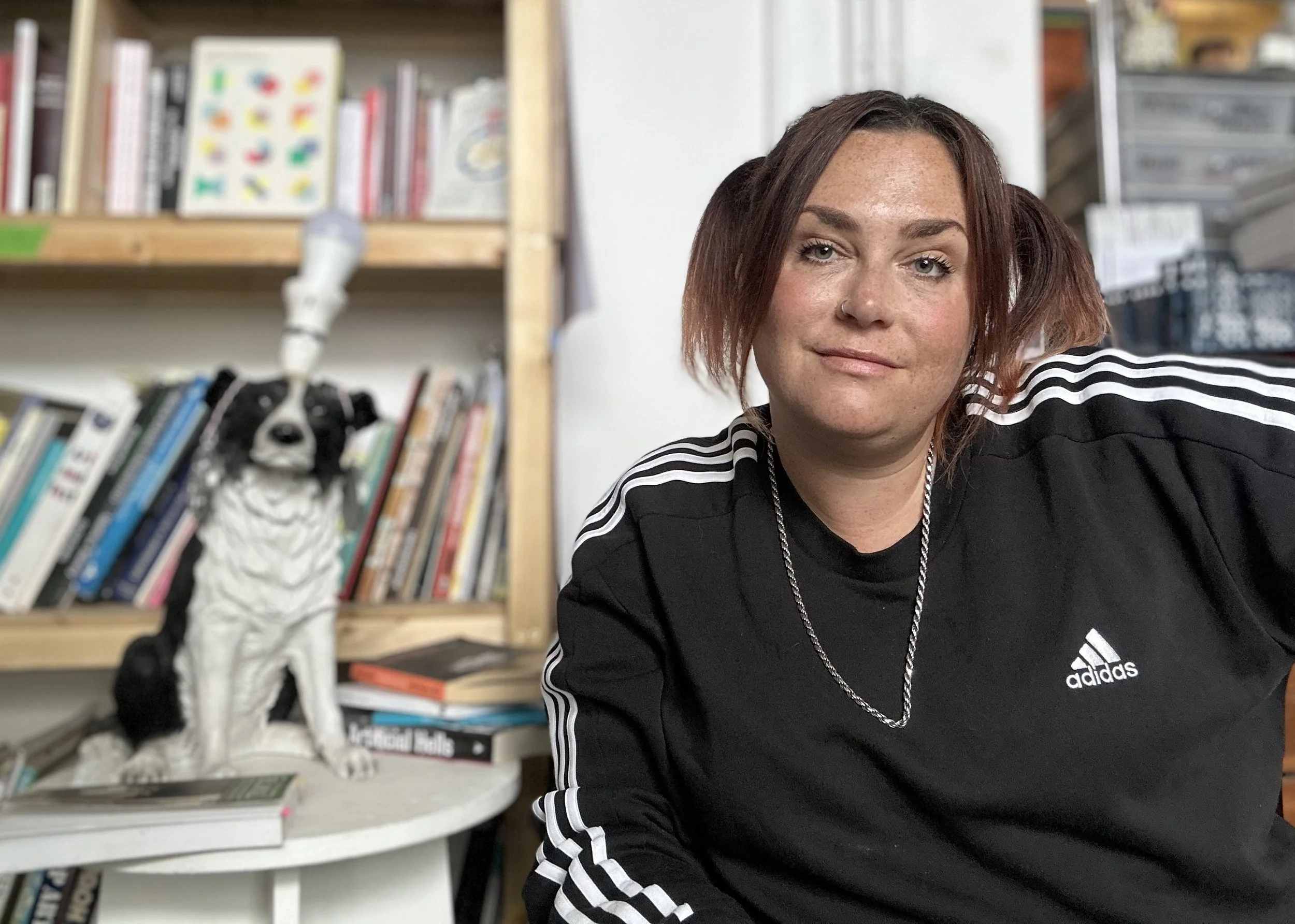
Where Did All the Art Schools Go? Rebuilding Creative Education in Essex
There used to be an art school in almost every town in England. This really shaped the cultural life (art, music, nightlife, writing, fashion) of the country, and counties like Essex, from the postwar years right through to the early 1990s.
It’s not every day you watch the law change in front of you.
If culture is not explicitly recognised within new devolved structures, there is a genuine danger that investment, policy and decision-making simply flow elsewhere – towards transport, housing, skills and infrastructure – while culture is treated as an afterthought rather than part of the engine of civic and economic life.
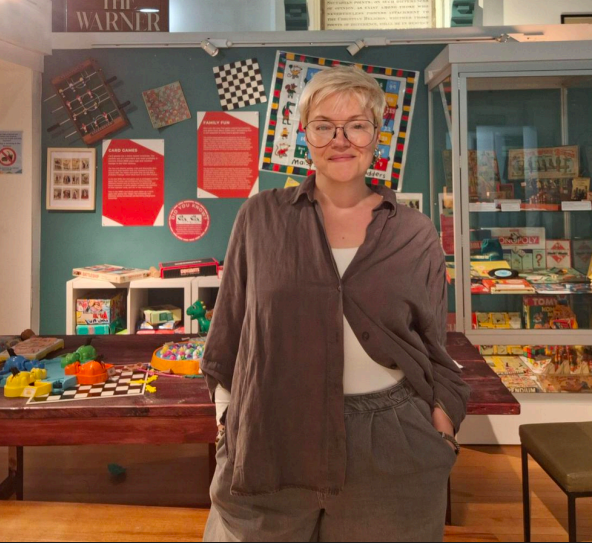
The Past, Present & Future: Why Heritage Matters to Greater Essex Now
Polly Redman, Chair of Museums Essex and Museums Manager for Braintree District Museum Trust says The Museum's Essex Advocacy Report makes one thing clear: museums and heritage sites are not optional.
It’s Who You Know — But It Shouldn’t Be
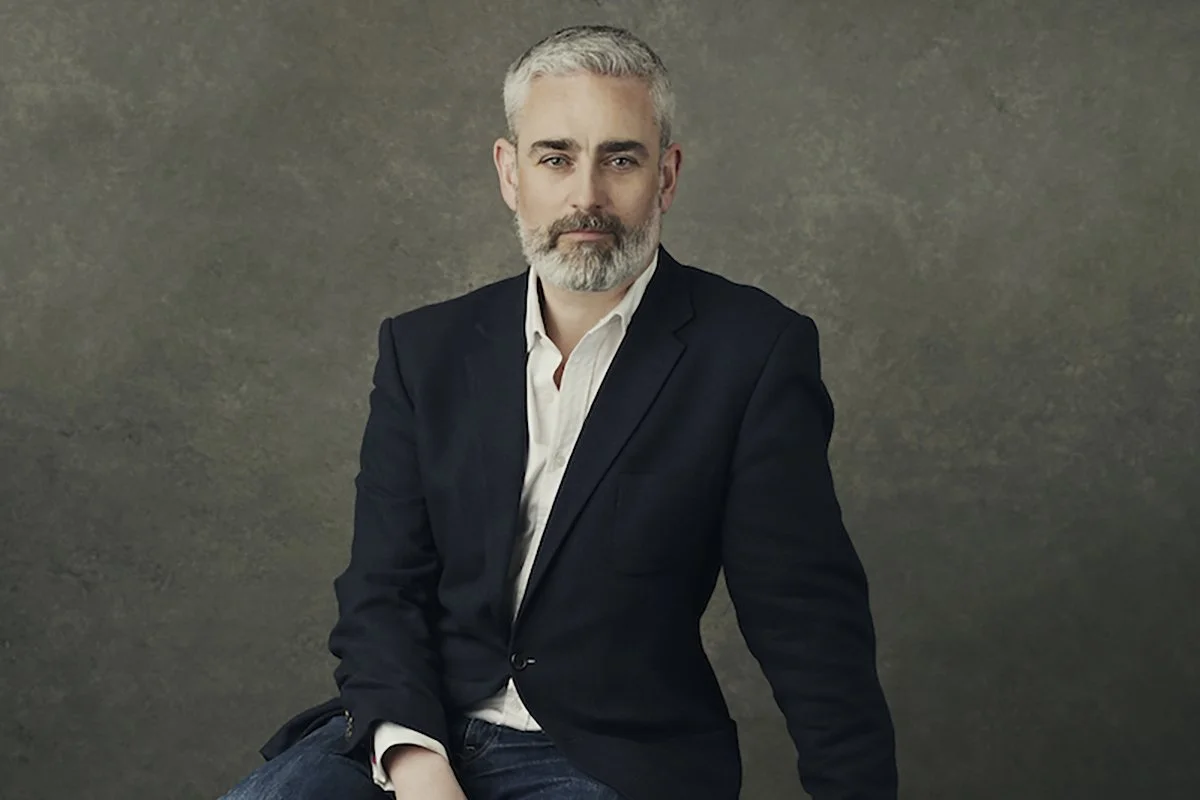
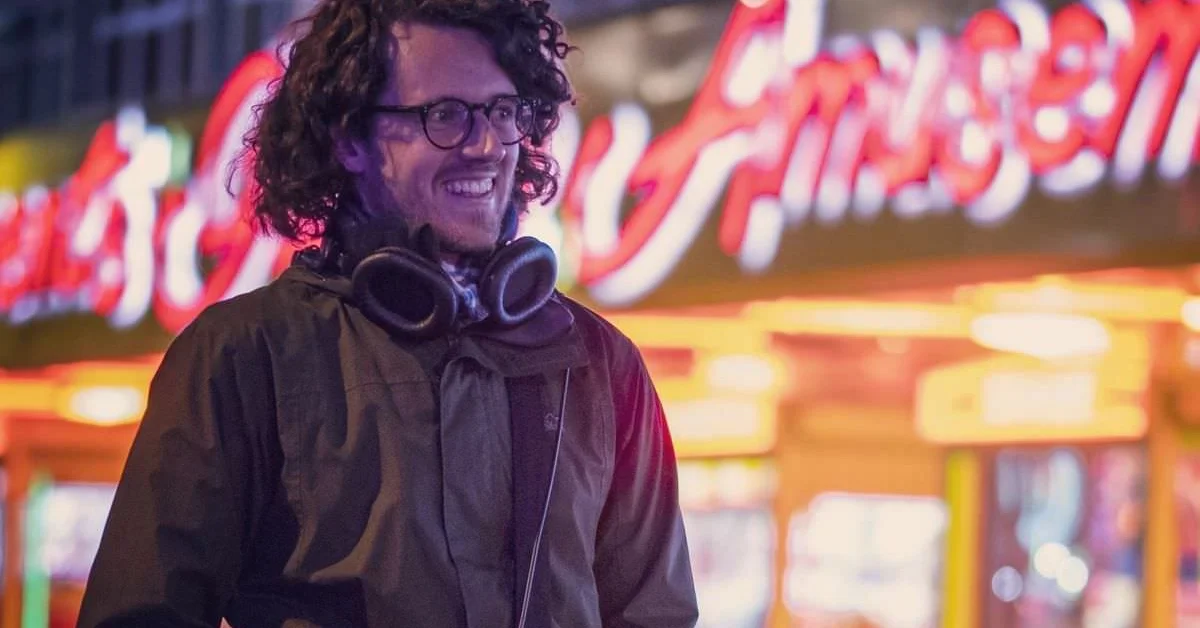
Frazer Merrick, Sound Artist, Digital Creative, Educator and co-founder of CLIP Sound and Music explains while Essex has an amazing creative sector, pathways into that sector for young people can be really challenging to navigate.
Why Culture Counts: The Role of Arts in Our Communities and Economy
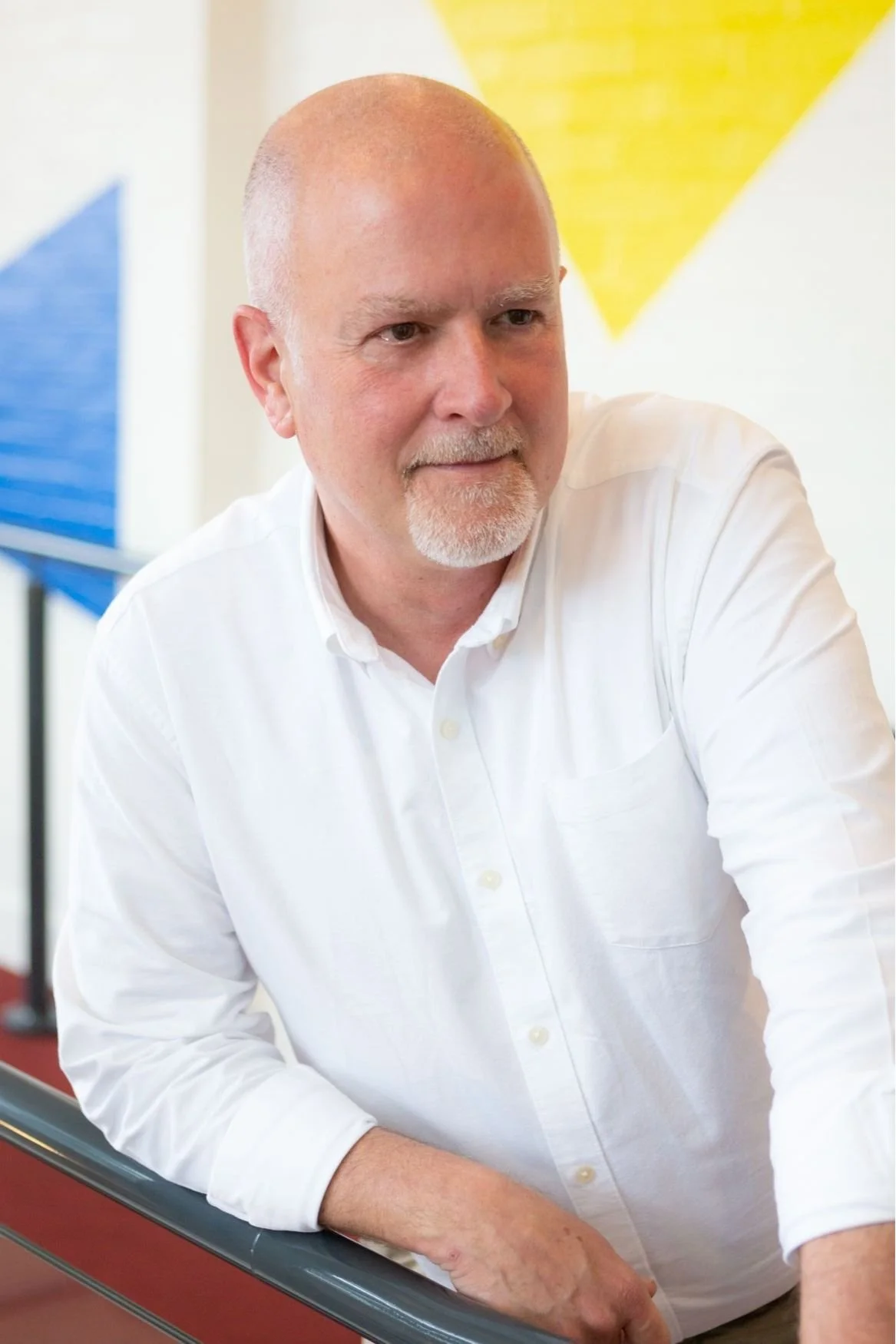
Steve Mannix, Chief Executive of the Mercury Theatre in Colchester, shares that, nationally, last year, the creative industries generated over £126 billion, and it's part of the industrial sector that's actually recession-proof. It's been growing year on year. For example, here at the Mercury, for every pound we get in grants, we generate another £4.
Who Gets to Take Part? Rethinking Access to Culture in Essex
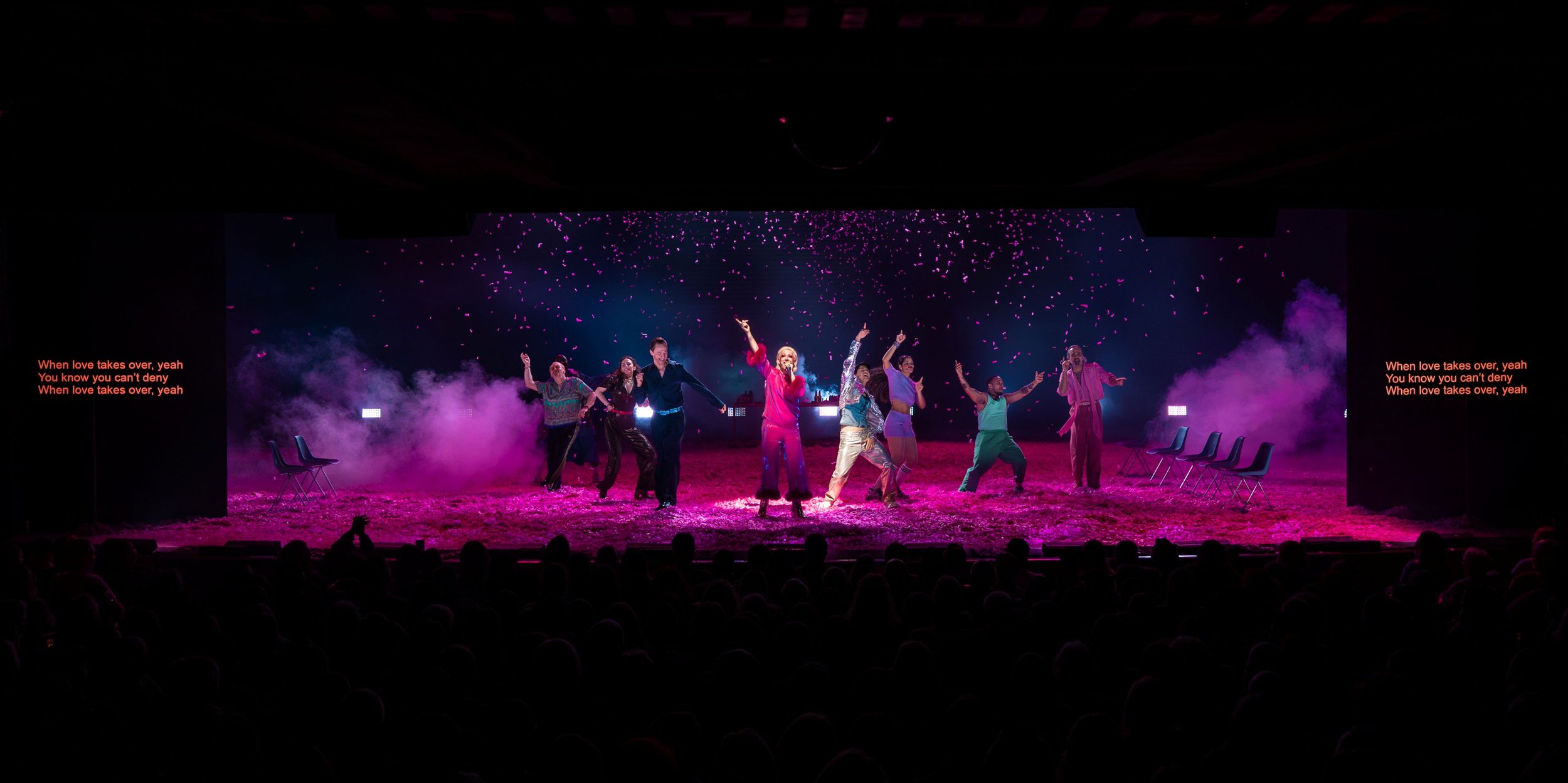
Rachel Jele at Stagetext reflects on why it’s crucial that culture and creativity is accessible to everyone whether as audience members, participants or part of the workforce.
After another Deaf Awareness Week, it is an important moment to ask whether arts, culture and creativity across Essex are truly accessible to deaf, deafened and hard of hearing people, and if not, what barriers still remains.
Why Creative Voices Matter in the Climate Conversation
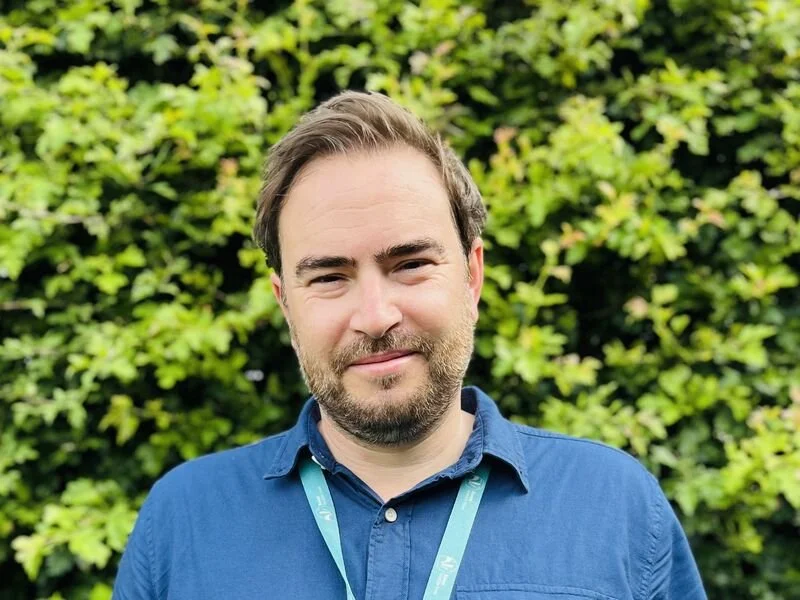
As Rich Yates, CEO of Essex Wildlife Trust puts it: “The climate crisis and the biodiversity crisis are not science problems. They are communication problems. We know the science. We know what we need to do. The problem is in changing people's behaviour. And we can't do this without art and culture.”
Who Gets a Foot in the Door? The Hidden Barriers to Creative Careers
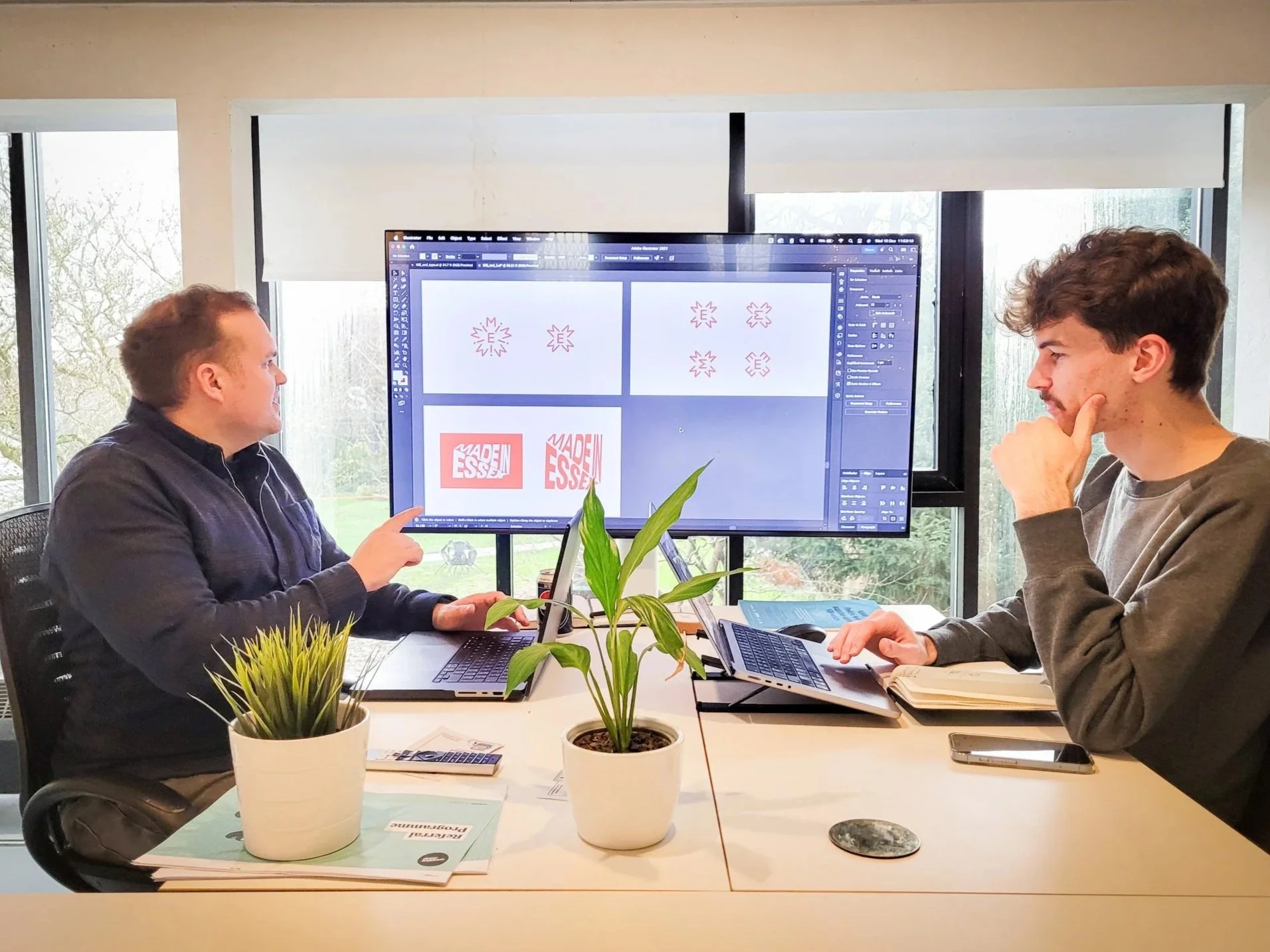
Ben Philp, Cofounder and Creative Director at Creative Coop asks ‘Who Gets a Foot in the Door? The Hidden Barriers to Creative Careers. Landing a job in the creative industries has never been easy, and it seems tougher than ever right now for graduates and those looking to gain experience.
Why Counting Culture, Why Now?
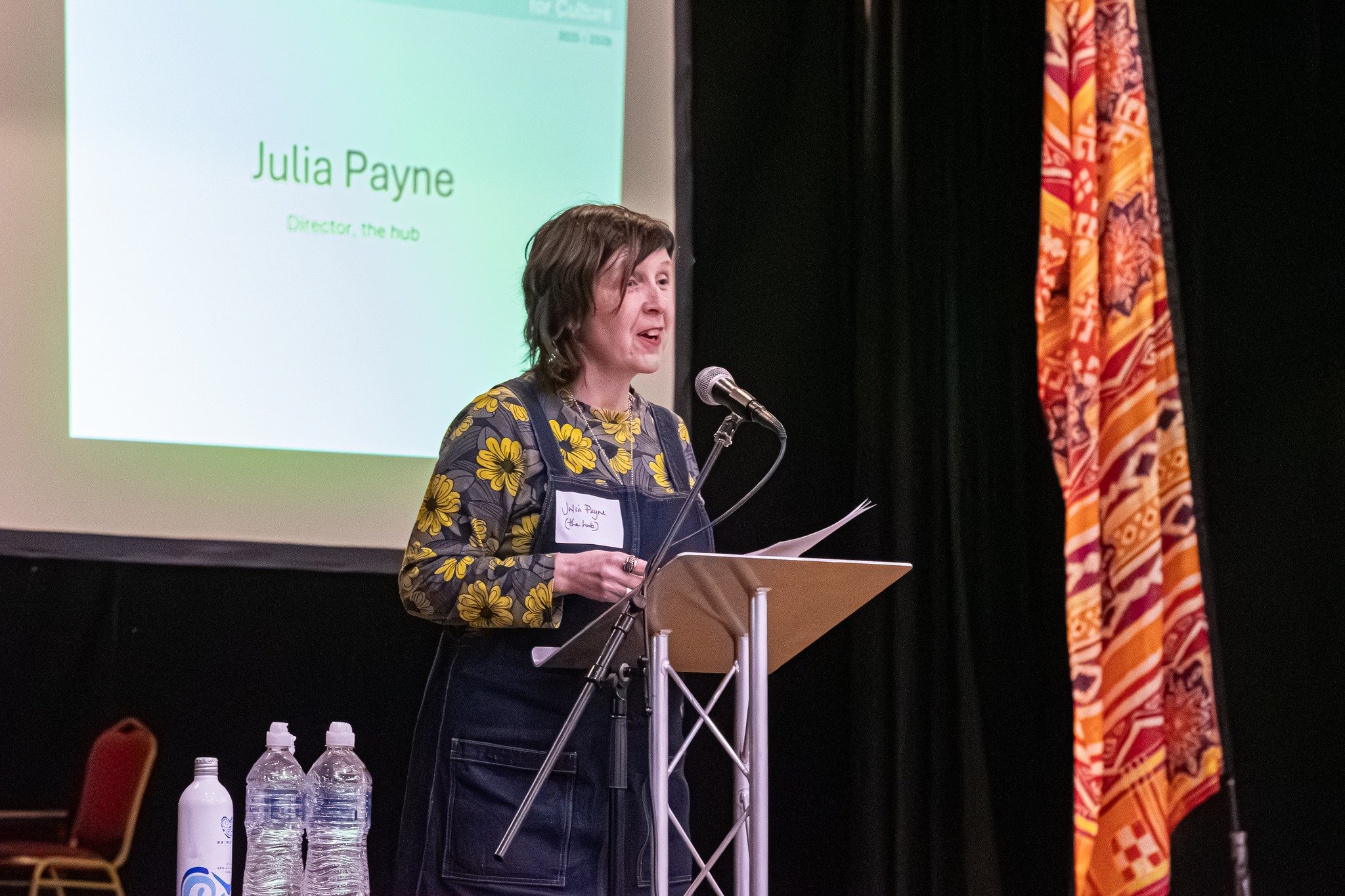
We know we're great, but we need to make the case to them. And secondly, we need to communicate really clearly where that investment would make most sense and where it would have the most impact.