

Who Gets to Take Part? Rethinking Access to Culture in Essex
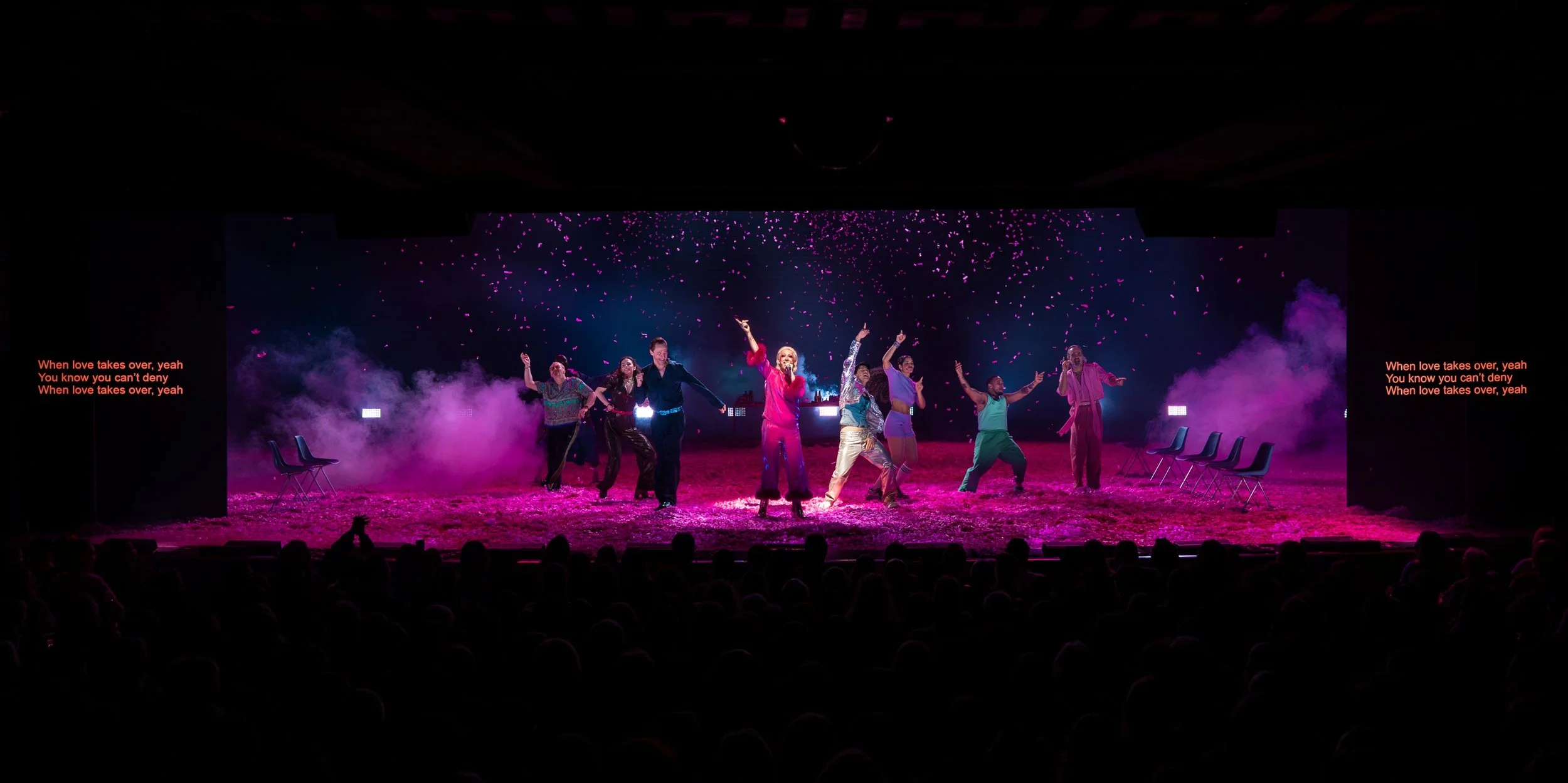
As part of the Counting Culture campaign, we’re inviting voices from across the cultural sector to share perspectives on how we build a more inclusive and sustainable future. In this post,Rachel Jele from Stagetext reflects on the urgent need to make arts and culture truly accessible for deaf, deafened and hard of hearing people. Drawing on both lived experience and sector insight, Rachel highlights the gaps that remain in provision across Essex and makes the case for accessibility to be embedded from the outset—benefiting not only individuals, but audiences, organisations and communities as a whole.
Why it’s crucial that culture and creativity is accessible to everyone whether as audience members, participants or part of the workforce.
As I reflect on another Deaf Awareness Week, it is an important moment to ask whether arts, culture and creativity across Essex are truly accessible to deaf, deafened and hard of hearing people, and if not, what barriers still remain.
Many people were surprised when RNID published figures showing that 18 million adults in the UK, around one in three people, are deaf, deafened or hard of hearing. According to local charity Hearing Help Essex, around a quarter of a million people in Essex have some degree of hearing loss and may benefit from captions or subtitles to fully engage with the world around them.
Hearing loss is closely linked to issues such as depression and social isolation. At the same time, the ability of arts and culture to bring people together, foster connection and encourage participation in shared social experiences should not be underestimated.
Let’s look at the figures. In Essex, 91% of adults actively engage with culture. That represents 1.4 million people, a significant proportion of the population, and is hugely encouraging. Last year, the region welcomed a staggering 54.2 million visitors, contributing £3.5 billion to the economy, while every £1 spent on cultural events generated at least £2 for local restaurants, hotels and transport.
The question is, how is Essex’s cultural sector adapting to support this growing demographic of deaf, deafened and hard of hearing people?
In 2025/26, just 11 theatre performances in Essex were captioned, which amounts to fewer than one performance a month. Since 2022, that represents an increase of only one additional captioned performance per year. For a county of 1.4 million people, including an estimated 250,000 who are deaf, deafened or hard of hearing, 11 performances is, in my view, nowhere near enough. It offers very limited choice in terms of when and where audiences can experience captioned theatre, reducing opportunities for the kind of social interaction and shared cultural experiences that are so important. Put simply, it is a missed opportunity.
As a deaf woman who wears hearing aids, I am one of those 18 million people. I grew up in a hearing family and attended a mainstream school. British Sign Language is not my first language, so a BSL-interpreted performance or event does not necessarily meet my access needs. BSL provision is incredibly important, but it is not the whole picture. Deafness is multifaceted, and there is no one-size-fits-all approach to accessibility.
For many deaf people whose first language, like mine, is written and spoken English, text-based access such as captions and subtitles can make the difference between attending a performance or staying away, between fully engaging as an audience member or struggling to follow what is happening. Having to rely on lip reading, reading the script beforehand, or repeatedly asking my daughter, “What did they say?”, is both exhausting and frustrating.
People across Essex need both forms of access, BSL interpretation and text-based solutions, so they can fully experience and enjoy the rich and diverse range of cultural opportunities available to them.
The benefits of captions and subtitles extend far beyond what many venues may realise. Captions also support people who use English as an additional language, including the millions of tourists who visit Essex each year, as well as people who are neurodivergent. Recent research by Stagetext found that 42% of the general public surveyed use subtitles or captions to help with concentration. Almost a quarter of respondents (24%) said they had used captions or subtitles at live events, while 54% use them when watching television or online content.
The broader the approach to accessibility, the wider the audience reach. More accessible venues mean more filled seats, increased revenue potential and, importantly, happier audiences who are more likely to return and continue supporting their local theatre, museum or gallery.
By welcoming groups of people who may previously have felt excluded, cultural organisations do not simply gain customers, they build stronger communities where people feel a sense of place, ownership and belonging. In economically challenging times, inclusion is not simply a moral consideration, it is integral to the long-term sustainability of the arts.
The evidence strongly supports this. Research by Stagetext shows that 77% of the UK population supports venues offering more captioned performances, while almost a third of respondents (31%) said they would be more likely to attend live events if more captioning were available.
The Indigo and Spektix report Tomorrow’s Audiencereinforces this further, finding that more than a third of under 35s new-to-arts audiences would welcome captions as a way to improve inclusivity.
None of this happens by accident. Accessibility needs to be embedded from the outset, rather than treated as an afterthought. That requires strategic planning to ensure access is considered within programming, budgets and venue logistics from the very beginning.
So here is the challenge to the sector: the evidence is clear and the demand is already there. What is Essex’s cultural community waiting for? Essex has the opportunity to become a leader in accessibility, setting a national example and positioning itself as the most accessible county in England... now there's a thought!
If this resonates, now’s the moment to speak up.
Made in Essex is creating a Prospectus to put the creative sector’s priorities in front of Greater Essex’s new political leaders this July.
So — what needs to change?
What would make Essex’s cultural sector more accessible, inclusive and open to all — as audiences, participants and professionals?
No idea is too big or too small.
Whether you have 1 idea or 10, tell us what you want to see happen.
And there’s no right way to respond?
Send bullet points. Record a quick selfie video. Snap a photo of a scribbled note. Write a song. Write a poem. However you want to do it, add your voice here: madeinessex.org.uk/take-part
Counting Culture is open until 24 May.
Have your say. If you work in Greater Essex’s creative sector, this is your chance to help shape a future where culture is recognised and supported as a vital part of our communities and economy.
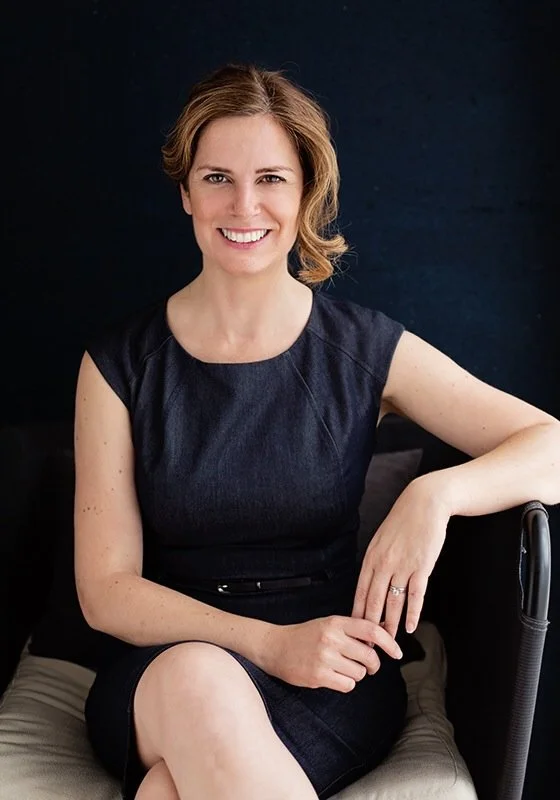
Witth thanks to Rachel Jele at Stagetext for sharing her insight.
Learn more about Stagetext’s work supporting captioning and accessibility across the arts
