

Who Gets a Foot in the Door? The Hidden Barriers to Creative Careers
As part of the Counting Culture campaign, we’re inviting contributors from across the creative sector to share honest reflections on the challenges and realities shaping cultural work today. In this piece, Ben Philp of Creative Coop draws on over 20 years’ experience in the design industry to explore one of its most persistent issues: access to opportunity. Ben is contributing to the conversation to highlight the growing pressures facing early-career creatives, the impact of unpaid work, and why more sustainable, equitable approaches are urgently needed to support the next generation entering the sector.
Landing a job in the creative industries has never been easy, and it seems tougher than ever right now for graduates and those looking to gain experience.
Speaking from a background of working in design studios over the last 20 years, I'm seeing more and more people working, or willing to work for free. This has always been an issue in some areas of the creative industries, and some sectors are more notorious for operating like this than others.
For example, I'm aware of fashion labels in the same area from when I worked in London that used to run on huge numbers of interns. They would pick the best, and those willing to work 12-hour-plus days for free, to gain that experience of having a top label on their CV, sometimes for well over a year. Often, this means students from wealthier backgrounds, and often international students who can get support for living costs in London for long periods until they land a permanent job, are the ones taking these roles, pushing vast numbers of people away from these agencies and opportunities for experience.
At Creative Coop, we believe it's important to pay people regardless of whether they are an intern or in any role. For small agencies, though, this can also mean fewer internships are offered, which is something we fell victim to until recently. With the increase in the living wage and clients' shrinking budgets, salaries have compressed toward the middle. When I started out, a senior designer’s salary would typically be three times that of a junior, making it attractive to constantly bring in young talent, whereas now the jump is far less, typically under twice as much.
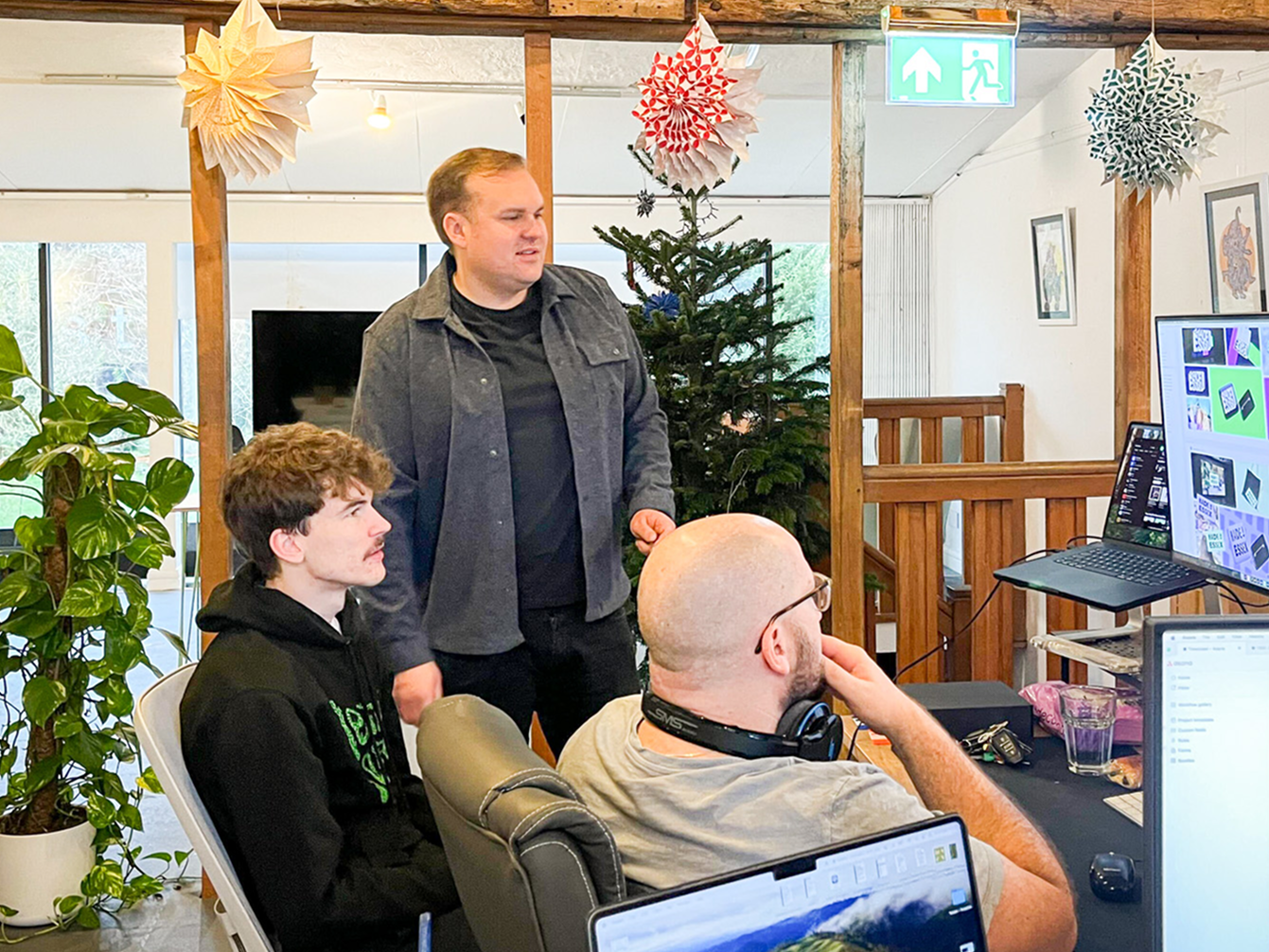
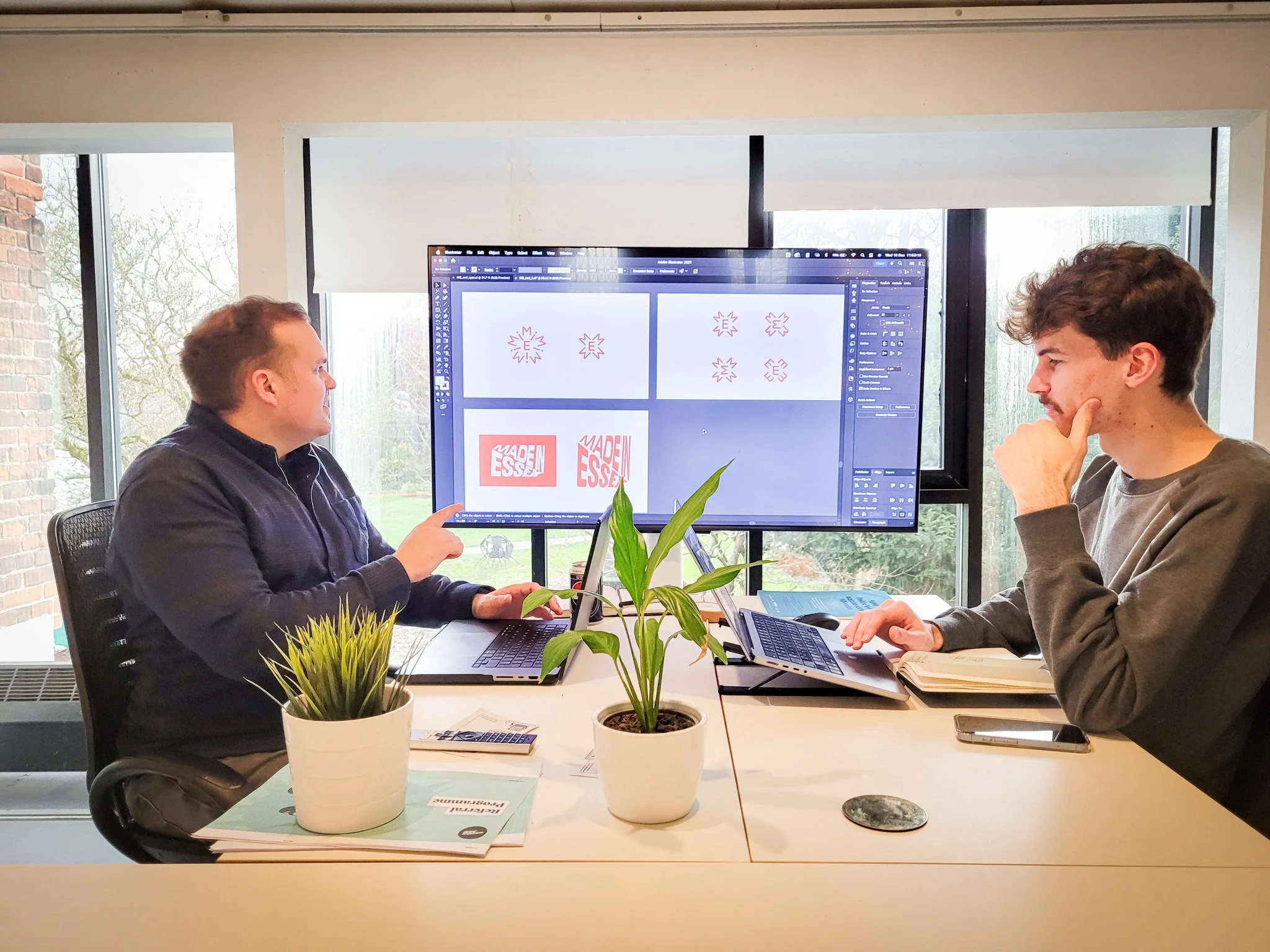
Combine this with agencies having fewer simple tasks for interns to help with, and clients doing more of the basic jobs themselves, it has become a real viability struggle for agencies to take on interns. We've even been approached to take on diploma-level students who are one to two years out of school, but this is even harder, as their skills and experience are very rarely at a level where the value they contribute outweighs the time cost to agencies. This has meant we hadn't taken on an intern until we worked on the Made In Essex project.
How could more opportunities be given? Ultimately, I think agencies need funding to take on interns these days. Apprenticeship programmes have received various funding models over the years from the government, and sometimes these have been very lucrative for the middlemen organisations matchmaking candidates.
Maybe it's time for funding to support agencies to take on graduates, ensure interns are paid, and help grads gain the much-needed experience.
This would ensure equal opportunities for people from diverse backgrounds, and students would then be judged on talent without the added factor of being pushed into increased debt. It would also mean agencies are less vulnerable to the risks of taking on an intern, where the invested time can be very high. Both agencies and students would benefit immensely.
If this resonates, now’s the moment to speak up.
Made in Essex is creating a Prospectus to put the creative sector’s priorities in front of Greater Essex’s new political leaders this July.
So — what needs to change?
What ideas or initiatives would improve access to creative careers, support fair pay, and create more opportunities for emerging talent — and why?
No idea is too big or too small.
Whether you have 1 idea or 10, tell us what you want to see happen.
And there’s no right way to respond?
Send bullet points. Record a quick selfie video. Snap a photo of a scribbled note. Write a song. Write a poem. However you want to do it, add your voice here: madeinessex.org.uk/take-part
Counting Culture is open until 24 May.
Have your say. If you work in Greater Essex’s creative sector, this is your chance to help shape a future where culture is recognised and supported as a vital part of our communities and economy.
With thanks toBen Philp of Creative Coop for sharing his insight.
